



LAYER CAGE — EFFICIENT AND SAFE SOLUTION FOR MODERN POULTRY FARMING
Release time:
Nov 27,2025
Source:
Layer cage systems have revolutionized poultry farming by providing a structured, efficient, and hygienic environment for laying hens. Modern poultry farms face challenges such as maximizing egg production, ensuring the health and welfare of hens, reducing labor costs, and maintaining cleanliness and biosecurity. Layer cages address these challenges by offering a durable, easy-to-manage, and space-efficient housing solution that enhances productivity and reduces operational costs. This article explores the framework, benefits, applications, and real-world advantages of layer cages, demonstrating how they solve common poultry farming pain points while improving overall efficiency.
The framework of a layer cage system is designed around ergonomic layout, ventilation, and automation. Each cage provides adequate space for hens while ensuring proper separation to reduce stress and prevent aggressive behavior. The design includes sloped floors for automatic egg collection, feeders and waterers positioned for easy access, and wire mesh floors that allow droppings to fall into collection trays, keeping the environment clean and reducing disease risks. Proper ventilation and airflow are critical components, maintaining a stable temperature and reducing ammonia buildup, which ensures healthier hens and better egg quality. Advanced layer cage systems can also integrate automated feeding, watering, and egg collection mechanisms to reduce labor requirements and improve operational efficiency.
Advantages of layer cages include increased egg production, enhanced hen welfare, reduced labor costs, and easier farm management. By providing an organized environment with optimized space utilization, hens can lay eggs more consistently, leading to higher productivity per square meter. Automated or semi-automated feeding and egg collection reduce manual labor, saving time and minimizing human error. Durable construction materials, such as galvanized steel and corrosion-resistant coatings, ensure a long-lasting system that withstands daily wear and harsh farm conditions. Additionally, the hygienic design reduces the spread of disease, contributing to healthier flocks and higher-quality eggs.
Applications of layer cages are widespread in commercial poultry farming. In large-scale egg production facilities, layer cages enable farmers to efficiently manage thousands of hens in a limited space while maintaining high standards of hygiene and welfare. In medium-sized farms, modular cage systems can be adapted to fit existing structures, improving egg collection efficiency and overall farm productivity. Layer cages are also suitable for specialized operations such as organic or enriched cage systems, which include perches, nest boxes, and scratch areas, balancing productivity with animal welfare requirements.
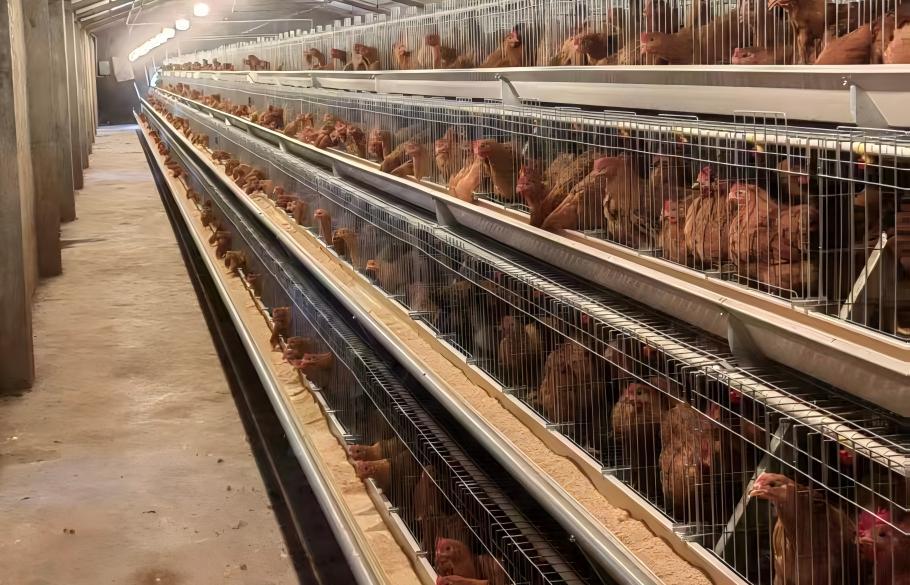
Real-world case studies demonstrate the effectiveness of layer cages. A commercial egg farm upgraded to modern layer cage systems, resulting in a 20% increase in egg production and a 30% reduction in labor costs due to automated feeding and egg collection. A mid-sized poultry operation implemented modular layer cages, improving biosecurity and reducing disease outbreaks by keeping droppings and waste under control. In another example, a farm adopting enriched layer cages maintained high egg yields while meeting welfare certification standards, attracting premium pricing for their products. These cases highlight how layer cages solve critical operational challenges while enhancing productivity, safety, and hen welfare.
Layer cages directly address customer pain points such as inefficient space utilization, labor-intensive management, disease control, and inconsistent egg production. Traditional free-range or floor systems often require more labor, are harder to clean, and may result in higher mortality rates or inconsistent egg yields. By optimizing space, improving sanitation, and integrating automation, layer cages reduce operational complexity, lower costs, and improve overall farm efficiency. Farmers can better monitor individual hens, maintain consistent feeding and watering, and ensure egg quality, all while minimizing the risk of disease transmission.
In addition to operational efficiency, layer cages contribute to long-term sustainability. Reduced feed waste, better resource management, and lower disease rates contribute to environmentally responsible farming practices. The durability of materials and ease of maintenance reduce replacement and repair costs, providing economic benefits over time. Layer cages also support scalability, allowing farms to expand operations without significantly increasing labor or land requirements, making them an ideal solution for both growing commercial farms and established operations seeking modernization.
In conclusion, layer cages are a vital innovation for modern poultry farming, providing an organized, hygienic, and efficient solution for housing laying hens. By enhancing egg production, reducing labor costs, improving hen welfare, and supporting sustainable practices, layer cage systems address multiple operational challenges faced by poultry farmers. Real-world examples demonstrate measurable improvements in productivity, cost efficiency, and flock health. With customizable designs and the ability to integrate automation, layer cages are a dependable investment for poultry farms aiming to optimize performance, reduce risk, and maintain high standards of animal welfare and egg quality.
YOU MAY ALSO LIKE
Commercial Breakthrough: AI Inspection Robots Enter Large-Scale Use in Layer Farms
AI inspection robots deliver 24-hour monitoring of temperature, humidity, ammonia and flock health, identifying weak hens and cracked eggs automatically. Combine our A-type & H-type automated chicken cages, climate control, manure removal and feeding systems for your modern poultry farm.
According to FAO analysis, poultry consumption keeps rising in Africa and Southeast Asia. Enclosed automated cage systems with reliable environmental control become critical for biosecurity and heat stress management for tropical layer farms.
Enhancing Excellence: Key Insights for Running a Quality Duck Farm
--- Establishing a quality duck farm requires a deep understanding of various elements that contribute to the health and productivity of ducks. These factors not only affect the welfare of the birds but also impact the overall efficiency and sustainability of the farming operation. **1. Selecting the Right Breed:** Choosing the appropriate breed is fundamental to the success of a quality duck fa
Southeast Asia Poultry Automation Trend: Low-Cost Upgrades for Small & Medium Farms
Labor shortages, high feed waste and tropical heat trouble many poultry farmers across Southeast Asia. Discover phased, budget-friendly automation upgrades for your existing chicken house, including automatic feeding, manure removal and climate control solutions.
Boost Your Poultry Yield with the Latest Equipment Advances
Boost Your Poultry Yield with the Latest Equipment Advances Table of Contents 1. Introduction to Poultry Farming Innovations 2. The Importance of Modern Equipment in Poultry Farming 3. Latest Advancements in Poultry Equipment - 3.1 Automated Feeding Systems - 3.2 Climate Control Solutions - 3.3 Health Monitoring Technology - 3.4 Advanced Watering Systems 4. Benefits of
EuroTier 2026 focuses on intelligent animal farming, animal welfare and emission reduction. Explore how integrated automated poultry cage systems help farms optimise manure management, cut labour input and improve production efficiency. Contact us for custom poultry housing solutions.

Address: No. 25, Guangyuan Road, High-tech Industrial Park, Economic Development Zone, Conghua District, Guangzhou
Telephone: +86 20-87818896
Copyright © 2025 GUANGZHOU GREAT ENGINE POULTRY EOUIPMENT CO..LTD. | Stadt-Unterstation | Powered by www.300.cn